
HVAC Systems in Healthcare: Balancing Comfort, Reliability, Energy, and Air Quality
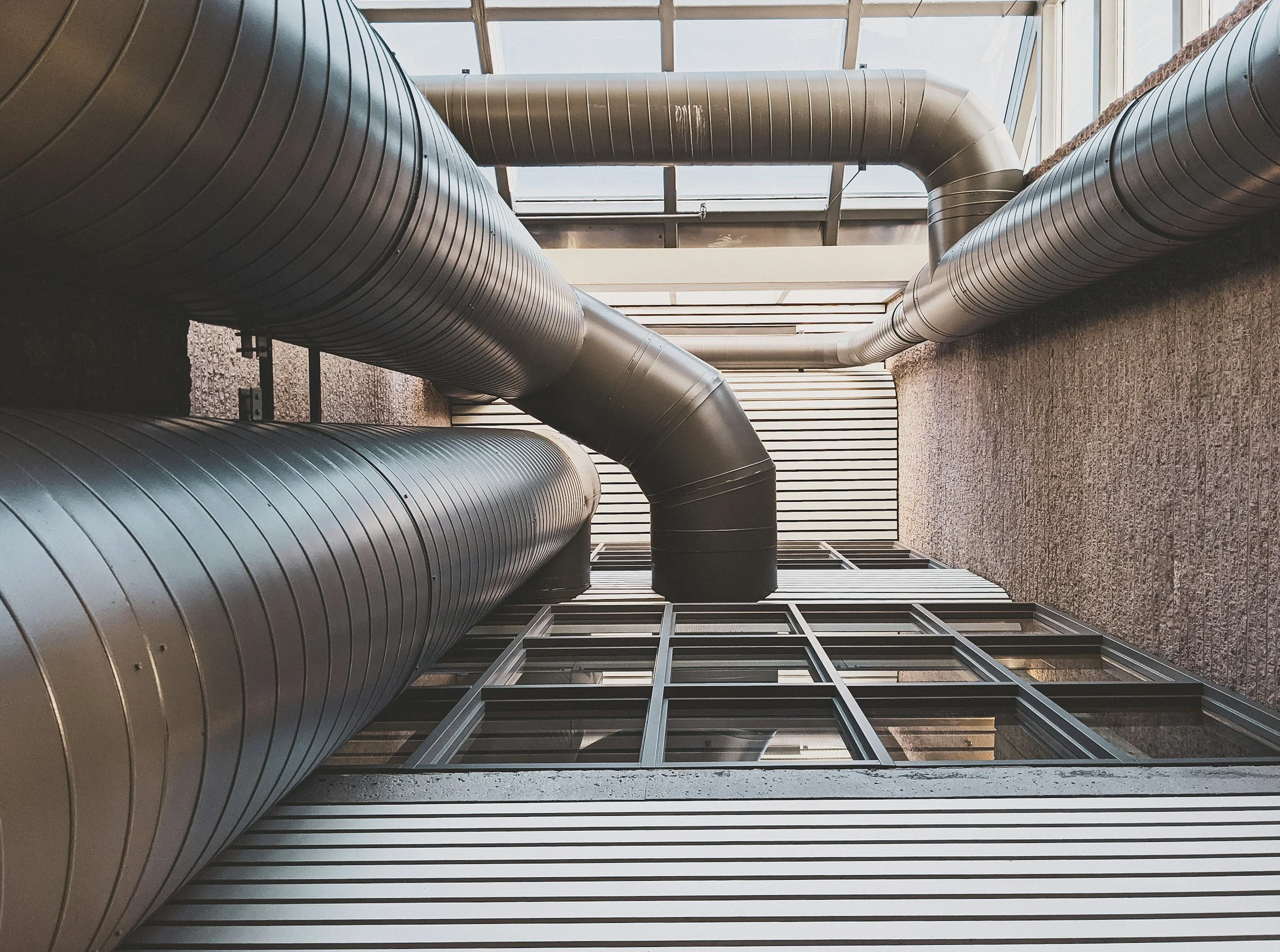
Healthcare facilities present some of the most demanding environments for HVAC system design. Unlike typical commercial buildings, hospitals and medical centers must maintain life-sustaining conditions 24/7/365 while simultaneously preventing the spread of dangerous pathogens. The HVAC systems in these facilities don't just provide comfort; they actively protect vulnerable patients, support critical medical procedures, and create environments where healing can occur.
For MEP engineering professionals, healthcare projects demand a deep understanding of how mechanical systems directly impact patient outcomes, infection control protocols, and operational costs. The challenge lies in designing systems that meet stringent regulatory standards while remaining energy-efficient and maintainable over decades of continuous operation.
Key Considerations for Healthcare HVAC Design
Healthcare HVAC design begins with understanding that these systems serve multiple critical functions simultaneously. Each design decision creates ripples that affect patient safety, staff comfort, operational costs, and regulatory compliance. Here are the primary considerations that shape every healthcare facility's HVAC design:
Prioritizing Patient Comfort and Recovery
The connection between environmental conditions and patient recovery is well-documented, with HVAC systems needing to maintain precise temperature control between 70°F and 75°F with relative humidity between 30% and 60% according to ASHRAE 170 standards.
Ensuring Unwavering Reliability
A hospital's HVAC system cannot fail, requiring redundant equipment like dual chillers and boilers, multiple air handling units, and emergency power connections that ensure critical areas never lose environmental control.
Managing High Energy Consumption
Hospitals consume 2.5 times more energy per square foot than typical commercial buildings, making intelligent design with high-efficiency equipment, heat recovery systems, and smart controls essential for reducing operational costs without compromising performance.
These considerations form the foundation of healthcare HVAC design, guiding equipment selection, system architecture, and control strategies. Our work on infrastructure improvements frequently addresses these challenges in both new construction and facility upgrades.
HVAC and Critical Air Quality & Infection Control
The COVID-19 pandemic brought unprecedented attention to how HVAC systems affect disease transmission, but for healthcare facility engineers, infection control has always been paramount. Air filtration represents the first line of defense, with HEPA filters capturing 99.97% of particles 0.3 microns or larger in critical areas like operating rooms and sterile compounding spaces. But filtration alone doesn't ensure safety.
Pressure relationships between spaces become equally critical, with positive pressure protecting vulnerable patients in operating rooms and protective isolation rooms by keeping unfiltered air out, while negative pressure contains dangerous pathogens in airborne infection isolation rooms by preventing contaminated air from escaping into adjacent areas. The challenge lies in maintaining these pressure relationships consistently despite door openings, temperature changes, and system adjustments.
Air Changes Per Hour (ACH) requirements further define infection control strategies. Operating rooms typically require 20 or more air changes per hour to rapidly remove particles generated during surgery, while patient rooms might need 6 to 12 air changes depending on their function. These high air change requirements have direct implications for system sizing, ductwork design, and energy consumption.
Humidity control completes the infection control picture, with the 40% to 60% relative humidity range representing a sweet spot where mucus membranes remain hydrated to defend against pathogens, airborne virus particles don't remain suspended as long, and conditions don't support mold or bacterial growth. Below 40% RH, respiratory defenses dry out and static electricity interferes with equipment. Above 60% RH, microbial growth accelerates and surfaces remain damp.
Our mechanical engineering approach integrates all these infection control requirements from the beginning rather than treating them as afterthoughts, ensuring that air quality and infection control work together as a comprehensive strategy.
Design Solutions for MEP Engineers
Translating infection control requirements and comfort standards into functioning systems requires specific engineering strategies that differ significantly from standard commercial design. Here are the key solutions deployed in successful healthcare HVAC projects:
1. Variable Air Volume Systems with Minimum Airflow Protection
VAV systems offer energy savings by reducing airflow when thermal loads are low, but in healthcare applications, they require minimum airflow settings that ensure adequate air changes even when spaces don't need heating or cooling.
2. UV-C Germicidal Irradiation Integration
Ultraviolet germicidal irradiation systems using UV-C light inactivate airborne pathogens and prevent microbial growth on cooling coils, providing an additional protection layer beyond filtration while maintaining system efficiency.
3. Comprehensive Zoning for Different Space Requirements
Healthcare facilities contain dozens of space types with unique environmental needs, requiring advanced zoning strategies that allow independent control of temperature, humidity, pressure, and ventilation in different areas.
4. Variable Capacity Equipment for Tight Control
Modern variable capacity systems modulate their output to match loads precisely, maintaining steady temperature and humidity conditions while reducing energy consumption and equipment wear compared to simple on/off operation.
5. Redundant Systems with Automatic Failover
Critical healthcare areas require backup equipment and control sequences that automatically activate when primary systems fail, ensuring continuous environmental control without interruption.
These design solutions work together as an integrated approach rather than standalone features. Our work in hospital facilities demonstrates how comprehensive MEP design addresses complex healthcare requirements while maintaining efficiency and reliability.
The Impact on Patient Outcomes
When HVAC systems in healthcare facilities work correctly, they're nearly invisible. Patients and staff experience comfortable, healthy environments without thinking about the complex systems that make this possible. But the impact of these systems extends far beyond comfort into measurable health outcomes.
Studies have documented that surgical site infection rates correlate with operating room environmental control. Proper ventilation, filtration, and humidity control reduce the bacterial count in ORs, directly decreasing the risk of post-operative infections. For patients, this might mean the difference between a successful procedure and life-threatening complications.
Recovery times also show correlation with environmental conditions. Patients in well-controlled environments sleep better, experience less stress, and show faster healing compared to those in poorly controlled spaces. While HVAC systems aren't medicine, they create the conditions that allow medicine to work most effectively.
Looking Forward
Healthcare HVAC design continues evolving as technology advances and our understanding of disease transmission improves. For building owners considering healthcare facility projects, partnering with experienced MEP engineering professionals who understand these unique requirements is essential. The investment in properly designed systems pays dividends through reduced infections, improved patient satisfaction, lower energy costs, and extended equipment life.
When HVAC systems achieve the right balance of comfort, reliability, energy efficiency, and air quality, they become powerful tools in the healthcare mission. To discuss your healthcare facility project and explore how specialized MEP design can support your goals, contact our team today.
At 5BY5, we have years of experience working with partners in design and construction. We’re excited to put our innovative expertise to work to make any project we take on a success. Have a project you’d like to discuss? Work with us.
