
How MEP Engineering Impacts Patient Care
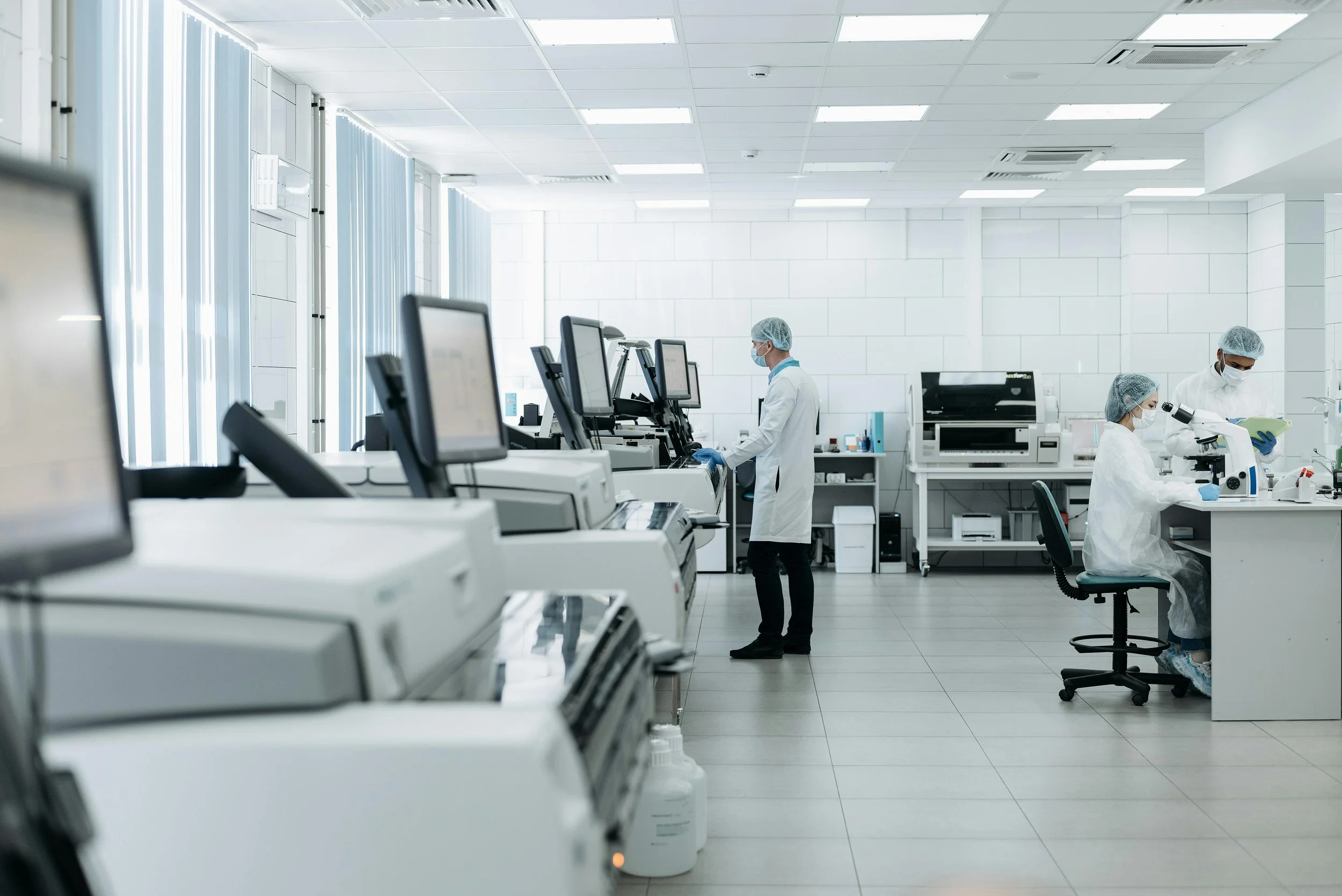
When patients enter a healthcare facility, they rarely notice the sophisticated building systems working constantly behind the walls. Yet these mechanical, electrical, and plumbing (MEP) systems play a fundamental role in patient outcomes, safety, and the healing process itself. From the air they breathe to the reliability of life-support equipment, MEP engineering creates the foundation for quality patient care.
At 5BY5 Engineers, we've spent years perfecting healthcare MEP systems across the Kansas City region. Our work with facilities like LMH Health, Children’s Mercy Hospital, Saint Luke’s Hospitals and Clinics, and Advent Health has shown us firsthand how thoughtful engineering transforms healthcare environments. Let's explore the specific ways MEP systems directly influence patient care and recovery.
Infection Control and Air Quality
Healthcare-associated infections remain one of the most significant challenges in modern medicine. Advanced HVAC systems serve as a critical defense mechanism, using sophisticated air filtration and pressure management to protect vulnerable patients from airborne pathogens.
HEPA filtration systems capture 99.97% of particles as small as 0.3 microns, removing bacteria, viruses, and fungal spores from the air before they reach patient rooms, operating theaters, and other critical spaces. But filtration alone isn't enough. Properly designed HVAC systems create positive and negative pressure zones that prevent contaminated air from migrating between spaces.
Operating rooms maintain positive pressure relative to surrounding corridors, ensuring that sterile air flows outward and prevents contaminants from entering during procedures. Conversely, isolation rooms for patients with infectious diseases use negative pressure to contain airborne pathogens, protecting staff and other patients throughout the facility.
Temperature and humidity control also play a vital role in infection prevention. Healthcare facilities require precise environmental conditions, typically maintaining temperatures between 68-73°F and relative humidity between 30-60%. These parameters inhibit pathogen growth while supporting patient comfort and faster healing.
Safety and Reliability
In healthcare settings, power interruptions aren't mere inconveniences. They're potential life-threatening emergencies. Patients on ventilators, in surgery, or receiving critical monitoring depend on continuous electrical power. This makes redundant power systems an absolute necessity.
Modern medical facilities incorporate multiple layers of backup power. Uninterruptible power supply (UPS) systems provide instantaneous backup during the brief transition to generator power, ensuring life-support equipment never experiences even a momentary interruption. Emergency generators then sustain critical systems during extended outages.
These redundant systems require careful engineering coordination. Automatic transfer switches must activate seamlessly, fuel supplies need proper sizing for extended operation, and regular testing protocols ensure everything functions when needed most. We have done a lot of work creating back-up air handling systems, which demonstrate how thoughtful system design maintains operational continuity even during major infrastructure improvements.
Beyond power reliability, fire safety systems, emergency lighting, and communication infrastructure all fall under the MEP umbrella. These interconnected systems work together to protect patients, staff, and visitors during emergencies while allowing healthcare operations to continue with minimal disruption.
Comfort and Healing: Engineering the Recovery Environment
The connection between environmental comfort and patient recovery is well-documented in medical literature, with MEP systems creating healing environments through precise control of multiple variables that directly influence how quickly and completely patients recover.
Temperature Regulation Beyond Basic Comfort
Patients recovering from surgery often experience difficulty regulating body temperature, making precise HVAC control essential for maintaining optimal conditions tailored to each patient's needs.
Humidity Management for Health Outcomes
Too little humidity dries respiratory passages and irritates skin, particularly problematic for burn patients or those with respiratory conditions, while excessive humidity promotes mold growth and bacterial proliferation.
Acoustic Management for Restful Recovery
Hospital environments generate significant noise from equipment, alarms, conversations, and foot traffic, but well-designed mechanical systems minimize vibration and noise transmission through careful equipment selection, strategic ductwork routing, and proper isolation techniques.
Individual Room Control with System-Wide Stability
Individual room controls allow customization for specific patient needs while central systems maintain overall facility stability, ensuring personal comfort doesn't compromise building-wide environmental requirements.
These carefully engineered comfort parameters work together seamlessly to reduce patient stress, improve sleep quality, and accelerate the healing process in ways that complement medical treatment.
Operational Support
Medical gas systems represent one of the most critical yet invisible aspects of healthcare infrastructure. Oxygen, medical air, nitrous oxide, and vacuum systems must deliver precisely controlled gases consistently and safely to every bedside, operating room, and treatment space.
These systems require redundant sources, backup supplies, and alarm systems that immediately alert staff to any pressure variations or supply issues. Specialized plumbing installations ensure medical gases never mix with other building systems, while regular testing and maintenance verify system integrity.
Sterile plumbing systems in healthcare facilities face unique challenges. Unlike typical commercial buildings, healthcare plumbing must prevent legionella growth, minimize biofilm development, and support rigorous sanitation protocols. Water temperature management, flow patterns, and material selection all influence system performance and patient safety.
Specialized plumbing serves everything from surgical scrub sinks requiring precise temperature control to dialysis centers needing ultra-pure water systems. Laboratory spaces, sterilization departments, and pharmacy clean rooms each have distinct requirements that plumbing systems must address.
Well-Being Integration
Emerging research continues to demonstrate how lighting affects human physiology and psychology, leading healthcare facilities to increasingly incorporate dynamic lighting systems that support the complex biological processes underlying patient recovery and well-being.
1. Natural Circadian Rhythm Support
Morning light with higher color temperatures (appearing more blue-white) promotes alertness and signals the body to wake, while evening light with warmer temperatures (appearing more amber) supports natural melatonin production and prepares patients for restorative sleep.
2. Tunable White LED Systems
Advanced electrical engineering solutions now include automated systems that adjust color temperature and intensity throughout the day without requiring staff intervention or patient awareness.
3. Task-Specific Lighting Design
Task lighting, ambient lighting, and examination lighting each serve distinct purposes, with proper electrical design ensuring appropriate illumination for medical procedures while reducing eye strain for staff during long shifts.
4. Automated Light Choreography
This sophisticated lighting orchestration happens automatically throughout each 24-hour cycle, supporting healing processes and psychological well-being while healthcare teams focus entirely on delivering exceptional patient care.
These evidence-based lighting strategies represent a powerful yet often overlooked tool in the healing process, demonstrating how thoughtful MEP design extends far beyond basic functionality.
The Integration Challenge
Individual MEP systems, regardless of how sophisticated, only reach their full potential through thoughtful integration. Modern healthcare facilities function through building automation systems that coordinate HVAC, lighting, medical gases, power distribution, and monitoring equipment into unified operations.
This integration allows real-time monitoring of environmental conditions, automatic adjustments to maintain optimal parameters, and immediate alerts when systems deviate from acceptable ranges. Energy management becomes more efficient without compromising patient care standards. Maintenance teams can identify developing issues before they impact operations.
Our experience with projects like those demonstrated in our Comprehensive Summary of LMH Health Projects shows how coordinated MEP design creates cohesive healthcare environments. Rather than treating mechanical, electrical, and plumbing as separate disciplines, integrated design considers how these systems interact and support each other.
The Human Element: Engineering with Empathy
Behind every technical specification and system design lies a fundamental truth: MEP engineering in healthcare serves human beings during some of their most vulnerable moments. Patients experiencing serious illness or injury need environments that support healing rather than adding stress. Families maintaining bedside vigils deserve comfortable spaces. Healthcare workers providing care require reliable systems that allow them to focus on patients rather than battling facility problems.
This human-centered perspective guides our approach to MEP engineering. We don't just design systems that meet code requirements. We create environments that actively contribute to positive patient outcomes, staff satisfaction, and operational excellence.
Looking Forward
Healthcare facility design continues evolving as medical practices advance and our understanding of healing environments deepens. Future MEP systems will incorporate even more sophisticated monitoring, predictive maintenance capabilities, and integration with medical equipment. Artificial intelligence and machine learning may eventually adjust environmental parameters in real-time based on individual patient needs and recovery progress.
Sustainability also plays an increasing role in healthcare engineering. Energy-efficient systems reduce operational costs while supporting environmental stewardship. However, efficiency gains must never compromise patient safety or care quality. The challenge lies in optimizing performance across multiple objectives simultaneously.
Conclusion
When healthcare teams successfully treat patients, cure diseases, and save lives, MEP systems rarely receive recognition. Yet these sophisticated building systems create the foundation that makes modern medicine possible. They filter the air, power the equipment, deliver the gases, control the environment, and support the healing process from admission through discharge.
At 5BY5 Engineers, we understand that healthcare MEP design demands more than technical competence. It requires understanding the clinical environment, anticipating facility needs, and recognizing that every design decision ultimately affects patient outcomes. Our portfolio of healthcare projects throughout Kansas City and the surrounding region reflects this commitment to engineering solutions that prioritize patient care above all else.
The next time you visit a healthcare facility, take a moment to appreciate the invisible infrastructure supporting every aspect of care delivery. Those carefully engineered systems represent the collaboration between medical professionals and engineers working toward a common goal: helping patients heal, recover, and return to the lives they love.
If your healthcare facility needs MEP engineering that understands the profound connection between building systems and patient care, contact our team to discuss how we can support your mission of delivering exceptional healthcare.
At 5BY5, we have years of experience working with partners in design and construction. We’re excited to put our innovative expertise to work to make any project we take on a success. Have a project you’d like to discuss? Work with us.
