Building Commissioning vs. Retro-Commissioning: What's the Difference?
If you have spent any time around new construction or facility management, you have probably heard the terms "commissioning" and "retro-commissioning" used in conversation. They sound similar, and they share some common goals, but they apply to very different stages of a building's life. Understanding the distinction between the two can help building owners, facility managers, and project teams make smarter decisions about when and how to invest in building performance.
At its core, commissioning is the process of verifying that a building's systems are designed, installed, and operating according to the owner's requirements. But the specific approach changes depending on whether you are dealing with a brand-new building or one that has been operating for years. In this post, we will walk through both processes, highlight the key differences, and explain why each one matters for the long-term health of your facility.
Building Commissioning (Cx): The New Construction Standard
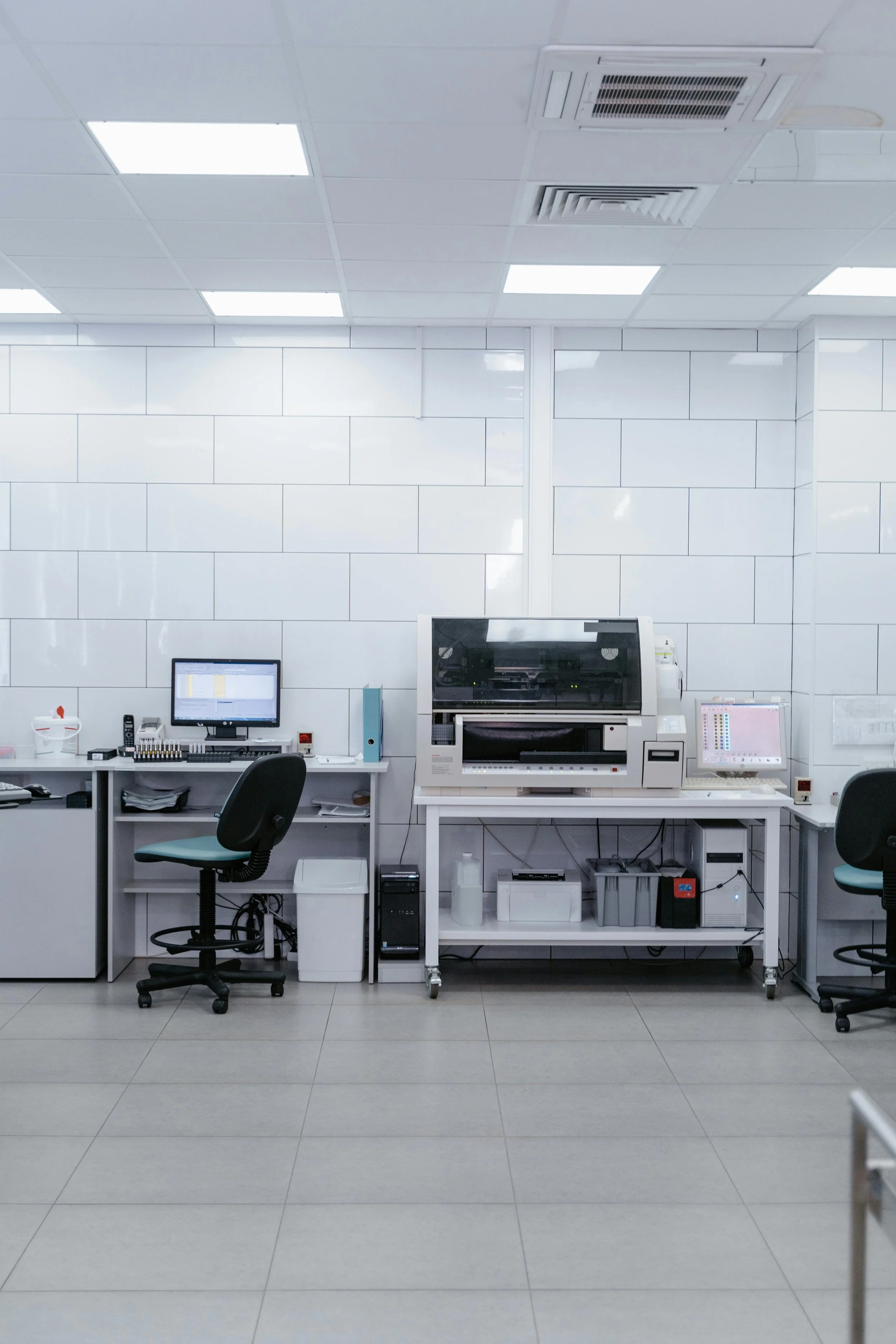
Think of building commissioning as the quality assurance process for a new building's systems. Before the keys are handed over and the first occupants walk through the door, commissioning ensures that every mechanical, electrical, and plumbing system performs exactly the way it was designed to. It is a systematic, documented process that starts early in the design phase and continues through construction, startup, and the initial period of occupancy.
For healthcare facilities, where system failures can directly affect patient safety, commissioning is not optional. It is a critical step that protects both the people inside the building and the significant financial investment that went into constructing it. A well-executed commissioning process catches problems when they are easiest and least expensive to fix, rather than months or years after the building is occupied.
Preventive Integration
One of the biggest advantages of commissioning during new construction is the ability to catch design flaws and installation errors before they become operational headaches. During the commissioning process, engineers review design documents, observe installation work, and run functional performance tests on systems ranging from air handling units to emergency power generators. Issues like undersized ductwork, incorrectly wired controls, or misaligned dampers can be identified and corrected before the building opens. This preventive approach saves time, money, and frustration compared to discovering these problems after occupants have moved in.
Baseline Performance
Commissioning establishes a documented performance baseline for every system in the building. This baseline defines the "gold standard" for how HVAC, electrical, and life-safety systems should operate under full load conditions. Having this benchmark is invaluable for facility managers because it gives them a clear reference point for future performance comparisons. If a system starts underperforming years down the road, the commissioning documentation tells the maintenance team exactly what "normal" looks like so they can identify and correct the issue quickly.
Documentation and Training
A commissioning process does more than test equipment. It also produces detailed operations and maintenance (O&M) manuals, system narratives, and training materials for the facility staff who will be responsible for running the building day to day. In complex environments like hospitals, where mechanical systems include everything from chilled water plants to medical gas networks, this documentation and hands-on training is essential. Staff who understand how their systems are supposed to work are far better equipped to maintain them effectively from Day 1.
Retro-Commissioning (RCx): The Tune-Up for Existing Spaces
Retro-commissioning is for buildings that are already occupied and operational, but may not be performing the way they once did. Over time, even well-maintained buildings experience what engineers call "operational drift." Sensors get bumped out of calibration. Control sequences get overridden during a busy weekend and never get reset. Schedules shift to accommodate new tenants or changing use patterns. The result is a building that still functions, but is working harder than it needs to, costing more to operate, and potentially falling short on indoor air quality or comfort.
Retro-commissioning is the process of investigating an existing building's systems, identifying where performance has drifted from the original design intent, and implementing corrections to bring everything back into alignment. Unlike commissioning for new construction, retro-commissioning starts with the building as it exists today and works backward to understand how current operations compare to the original (or ideal) performance targets.
Here are five key focus areas that retro-commissioning typically addresses:
1. Correcting Operational Drift
The most common finding in retro-commissioning is operational drift, the slow accumulation of small issues that add up to significant performance gaps over time. Bypassed sensors, overridden control sequences, manual workarounds that were meant to be temporary but became permanent: these are the kinds of issues that retro-commissioning uncovers. In a 24/7 healthcare environment, where systems run continuously and staff turnover is common, operational drift can happen faster than anyone realizes. Correcting these issues restores the building to its intended performance level without requiring major capital investment.
2. Energy Optimization
Retro-commissioning often reveals surprisingly simple opportunities to reduce energy consumption. Adjusting supply air temperature setpoints, correcting economizer damper operation, reprogramming occupancy schedules to match actual use patterns, and fixing simultaneous heating and cooling situations are all common energy-saving measures. Many of these tweaks are low-cost or no-cost, yet they can produce meaningful reductions in monthly utility bills. For building owners looking to improve their bottom line without replacing major equipment, this is often the most compelling benefit of retro-commissioning.
3. Improving Indoor Air Quality (IAQ)
In older buildings, and especially in older healthcare wings, airflow patterns and pressure relationships can shift over time as spaces get renovated, equipment gets replaced, or usage changes. Retro-commissioning includes recalibrating airflow to ensure that proper pressure relationships are maintained between "clean" and "soiled" spaces, that ventilation rates meet current code requirements, and that filtration systems are functioning as intended. For hospitals and medical facilities, maintaining strong indoor air quality is directly tied to patient safety and regulatory compliance.
4. Extending Equipment Life
When building systems drift out of alignment, equipment often compensates by working harder than it should. Pumps run at higher speeds, fans push against partially closed dampers, and compressors cycle more frequently than designed. Over time, this extra strain accelerates wear and tear, shortens equipment life, and increases the frequency and cost of repairs. Retro-commissioning reduces this unnecessary stress by ensuring that all components are operating within their designed parameters, which helps extend the useful life of expensive mechanical and electrical equipment.
5. Implementing New Technology and Control Strategies
Retro-commissioning also provides an opportunity to evaluate whether newer equipment or customized control sequences could improve facility operations. In some cases, installing variable frequency drives, upgrading to smart thermostats, or implementing demand-controlled ventilation can deliver measurable improvements in both performance and energy efficiency. The retro-commissioning process helps identify where these upgrades make the most sense and provides the data to justify the investment.
By addressing these five areas, retro-commissioning delivers measurable improvements in building performance, energy efficiency, and occupant comfort without the cost of a full renovation.
Cx vs. RCx: A Side-by-Side Comparison
While both processes share the goal of optimizing building performance, commissioning and retro-commissioning differ in several important ways:
Timing
Commissioning happens during the design and construction of a new building. Retro-commissioning happens after a building has been in operation, often for several years.
Starting Point
Commissioning starts with design documents and specifications. Retro-commissioning starts with the building's current operating conditions and works backward.
Primary Goal
Commissioning verifies that new systems meet the owner's project requirements. Retro-commissioning identifies and corrects performance gaps in existing systems.
Scope
Commissioning covers all building systems from the ground up. Retro-commissioning typically focuses on the systems and areas where performance has drifted the most.
Cost Profile
Commissioning is built into the construction budget. Retro-commissioning is a separate investment, but often pays for itself through energy savings and reduced maintenance costs within one to three years.
Both approaches share a common thread: they are driven by data, documentation, and a commitment to making sure building systems perform the way they should.
Why Both Matter for Healthcare Facilities
Healthcare buildings are held to higher standards than almost any other building type. Strict requirements for air changes per hour, pressure relationships, temperature and humidity control, and backup power mean that even small performance gaps can have real consequences for patient safety and regulatory compliance.
For new construction projects, commissioning is recommended under most healthcare codes and standards. It ensures that the complex MEP systems in a new hospital or clinic are verified and validated before patients ever enter the building. Multiple projects with CMH, LMH, and Saint Luke’s demonstrate the kind of critical system work that depends on thorough commissioning to get right.
For existing facilities, retro-commissioning provides a structured way to address the performance drift that inevitably occurs over years of continuous operation. It is a proactive approach that helps facility managers stay ahead of problems rather than reacting to them, and it delivers real financial returns through reduced energy costs and longer equipment life.
Conclusion
Whether you are building a new facility or looking to improve the performance of an existing one, commissioning and retro-commissioning are two of the most effective tools available for ensuring your building systems work the way they should. Commissioning sets the foundation by verifying performance from Day 1. Retro-commissioning keeps that performance on track as the building ages and evolves.
At 5BY5 Engineers, our commissioning services are built on years of hands-on experience with complex healthcare and commercial facilities across the Kansas City region. We have seen firsthand how the right commissioning approach can save building owners money, extend equipment life, and create better environments for the people who use these spaces every day. If you are planning a new project or thinking it might be time for a tune-up on your existing building, let's talk.
At 5BY5, we have years of experience working with partners in design and construction. We’re excited to put our innovative expertise to work to make any project we take on a success. Have a project you’d like to discuss? Work with us.
